
Most Aussie adults want a live table that feels familiar without pretending the rules are different here. Live regulated casino aud players need clear navigation, AUD pricing that does not hide behind weird conversion maths, and a layout that holds up when you are checking it between school pick-up and an arvo swim. I have spent years growing consumer products across Southeast Asia, and the same rule keeps coming back: if the interface does not respect how people actually live, the product is just noise. That is the lens I am using here, with a focus on interface, localisation, and everyday usability rather than a generic full review.
Visual Identity and Navigation That Earns Trust
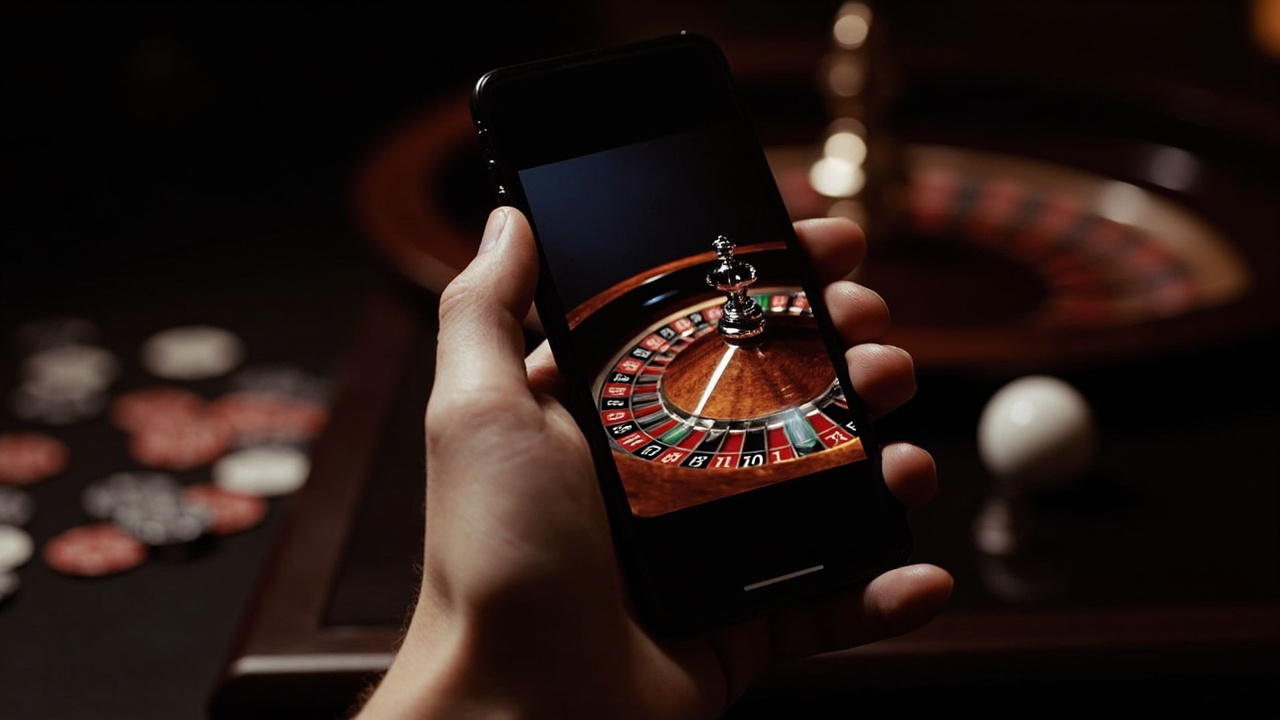
A clean visual identity matters because live tables are already busy. When the screen is crowded with badges, pop-ups, and half-labelled buttons, even a decent stream starts to feel like a clearance rack. The best setups use a restrained palette, legible type, and a navigation structure that stays consistent from lobby to table to cashier. I have seen growth projects in Bangkok and Perth where the difference between a product people return to and one they abandon came down to navigation that did not make them think. Here, that same judgement applies: if you can find your preferred dealer, table limit, and game mode without hunting, the product is doing its job.
For live regulated casino aud players, the lobby should separate live tables from RNG games without making you relearn the layout each time. A sensible structure would include a persistent top bar for game categories, a side filter for dealer, language, and stakes, and a search box that actually handles partial terms. The registration flow should not demand a novel before you can sit down; a short form, clear verification prompts, and a visible status indicator are enough. A short checklist helps separate a polished lobby from one that just looks pretty on a demo:
- Filters that stay where you set them between sessions
- Table limits shown in AUD before you tap in
- Dealer and language options visible without opening a submenu
- Cashier access reachable in one tap from the live lobby
| Element | What to look for | Why it matters |
|---|---|---|
| Lobby layout | Consistent categories, no moving goalposts | Less friction when you switch tables |
| Currency display | AUD shown first, conversion optional | Easier to read stakes and outcomes |
| Registration | Short form, clear verification status | Quicker start without guesswork |
| Mobile layout | Controls stay within thumb reach | Usable on a commute or in a hotel room |
| Search | Handles partial terms and game names | Saves time when you know what you want |
If a lobby asks you to learn its logic before you can play, it is prioritising novelty over usability. A better test is whether you can join a table, check the limits, and move to the cashier without losing your place. That is the kind of everyday usability that keeps people coming back, and it is the same discipline I would expect from a well-run retail experience in Fremantle or a hospitality brand in the CBD.
Localisation, Language, and Currency Without the Sleight of Hand
Localisation is where a lot of platforms quietly lose people. A site might look sharp, then hand you a balance in a currency you did not choose, or bury AUD behind a conversion screen that makes stakes harder to read. For live regulated casino aud players, the point is not just translation; it is whether the product behaves like it was built with Australian usage in mind. That means AUD shown naturally, local phrasing that does not sound pasted on, and support language that matches the audience rather than a generic template. My time building relationship-led businesses across Southeast Asia taught me that localisation is not a layer you paste over a product; it is a decision you make before the first screen is designed.
A practical test is what happens when you deposit, play, and check your balance without converting anything in your head. If the numbers stay readable and the language stays consistent, the platform is doing the boring work that actually matters. It also helps when the cashier explains its steps in plain terms instead of leaning on jargon. That is why I keep pointing people toward the best astropay casinos when they want a payment path that fits a straightforward AUD workflow rather than a maze of intermediate steps.
A few everyday details separate genuine localisation from a coat of paint:
- Terms and prompts written for an Australian reader, not a translated default
- AUD balances shown first, with conversion only when you ask for it best astropay casinos
- Support hours and channels that match when people actually play
- Table language options that match the lobby and cashier
One caveat worth hearing comes from Evie Taylor, Compliance Director, Federation Betting Insights, who notes that clear currency handling and visible terms are not just convenience features; they are part of how a platform shows it understands its audience. Mia Fisher, Head of Product, Murray River Gaming Research, adds that localisation works best when it is consistent across lobby, game, and cashier, because mixed signals are what make people hesitate. Those are practical calls, not marketing lines, and they fit the review focus here.
Everyday Usability on Mobile and Desktop
A live table has to work on a phone in a hotel room in Perth and on a desktop at home without feeling like two different products. On mobile, the controls need to sit where a thumb can reach them, the stream should stay readable without constant zooming, and the cashier should not bury itself behind layers of menus. On desktop, the same table should give you a wider view of the layout, quicker access to settings, and a clearer sense of where you are in the session. I have watched people abandon products that felt luxurious on a big screen and clumsy on a phone, because real life does not stay on one device.
For live regulated casino aud players, the test is whether the experience holds together when you switch contexts. A good setup keeps your table, balance, and settings in sensible sync, and it does not force you to relearn the flow each time you change devices. Ethan Carter, Sports Betting Analyst, Swan River Interactive, points out that smooth transitions between lobby, table, and cashier are often what separate a platform people use regularly from one they try once and leave. That is the kind of everyday usability that matters more than a flashy welcome screen.
A sensible mobile and desktop setup usually includes:
- Controls placed for thumb reach on a phone
- A stream that stays legible at common screen sizes
- Table settings that carry across devices without losing your place
- A cashier that is reachable without digging through unrelated menus
If the product only feels good in one setting, it is not ready for the way people actually play. The stronger play is one that stays calm, readable, and predictable whether you are on a train, at a mate’s place, or settled in for an evening session.
Bonus Mechanics, Payments, and Support That Fit Real Use
Bonus mechanics and payments are where usability meets reality. A bonus should be explained in plain terms, with clear conditions and a realistic path to use it, rather than a wall of text that hides the important bits. Payments should feel straightforward, with AUD handling that does not make every deposit feel like a maths test. Support should be reachable when you need it, with responses that actually address the issue instead of sending you in circles. I have seen plenty of products that looked polished until you tried to use them on a normal evening, and that is where the real judgement gets made.
For live regulated casino aud players, the review focus stays on whether these pieces work together without making you work harder than the game itself. A platform that explains its bonus clearly, keeps its payment steps readable, and answers support queries in a way that matches the rest of the product is doing the unglamorous work that builds trust. That is the same standard I would apply to a hospitality brand or a consumer app: the experience has to hold up when people are busy, tired, or just wanting a straightforward session.
A practical setup for this part of the product would include:
- Bonus terms written in plain language with the key limits visible
- Deposits and withdrawals handled in AUD without surprise conversions
- Support accessible from the lobby and cashier, not hidden away
- Verification steps explained clearly so you know what is happening
No platform is perfect, and no setup should promise risk-free play or guaranteed outcomes. The better question is whether the product is built for ordinary use: clear enough to read, simple enough to follow, and consistent enough to trust when you are not in the mood to figure it out. If it passes that test, it has done the useful part.
The strongest live regulated casino aud players are the ones that treat interface, localisation, and everyday usability as the main event, not a side note. When the lobby is easy to read, the currency stays sensible, and the mobile and desktop flows behave the same way, the product earns its place in a normal routine. That is the kind of setup worth paying attention to, especially if you want something that fits an Australian evening without asking you to relearn it every time.
0 Comments